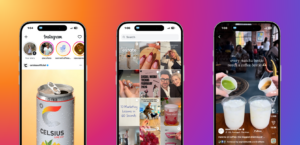

Your brand communicates before you ever say a word. Before someone hears your pitch or clicks a button, they’ve already formed a first impression—and that impression is largely visual. Your visual identity is quietly working in the background, shaping how people feel about your business in an instant.
It’s not just about looking good. It’s about being understood.
What Is Visual Identity, Really?
Visual identity includes everything your audience sees—from your logo and color palette to the fonts you use and the photography style you choose. It’s the design system that gives your brand a personality, mood, and sense of presence.
When your visual elements are aligned and consistent, they build recognition and trust. But when they’re scattered or inconsistent, they create confusion—and that makes it harder for people to connect with you.
It’s not just about aesthetics. It’s about alignment. Your visuals should feel like a natural extension of your voice, values, and audience.
First Impressions Happen in a Flash
Studies show it takes just milliseconds for people to form a judgment based on what they see. That means your colors, type, imagery, and layout are all carrying meaning—whether you realize it or not.
For example, cool tones and minimal design might signal calm, structure, or professionalism. Bright colors and bold fonts might suggest energy, youthfulness, or creativity. The key is knowing what you want your brand to say—and making sure your visuals support that message.
If the look and feel of your brand doesn’t reflect your goals, you’re sending mixed signals. And in a world where attention spans are short, mixed signals don’t last long.
Why Consistency Is Everything
Consistency builds trust. When your visuals are cohesive across platforms—your website, social media, email, packaging, signage—it tells your audience you’re organized, intentional, and reliable.
Think of the brands you recognize instantly. Chances are that their look and feel has stayed consistent over time. That repetition isn’t boring—it’s powerful. It makes your brand easier to remember, easier to trust, and easier to choose.
Even subtle inconsistencies, like using slightly different fonts on your website vs. your social graphics, can make your brand feel less polished. Over time, that can hurt credibility.
Common Visual Identity Mistakes
Here are a few signs your brand’s visual identity might need a refresh:
- You’re using different colors, fonts, or styles on different platforms.
- Your visuals don’t match your current voice or mission.
- Your branding feels dated or out of sync with your audience.
- You feel unclear about what your “visual rules” even are.
These are all signals that it might be time to rethink your design system.
How to Strengthen Your Visual Identity
- Do a visual audit
Look at your marketing materials side-by-side. Is there consistency? Do they feel like they come from the same brand? - Build (or update) your brand guidelines
These guidelines should outline your fonts, colors, logo usage, layout rules, and more. They’re essential if you’re working with a team or hiring a designer. - Choose design elements with intention
Think long-term. Avoid hopping on every trend. A solid visual identity should be timeless enough to grow with your business. - Make room for evolution
Visual identity doesn’t need to be rigid. It should be flexible enough to adapt as your brand evolves—without losing what makes you recognizable.
At the end of the day, your visuals are more than decoration. They’re part of your voice. When they’re working well, your audience doesn’t just see your brand—they feel it.
Let’s Grow Your Association Together
📞 Reach out today for a free consultation:
👉 www.yourvibemarketing.com
📧 hello@yourvibemarketing.com